Ed NichollsLic. Ac · MBAcC
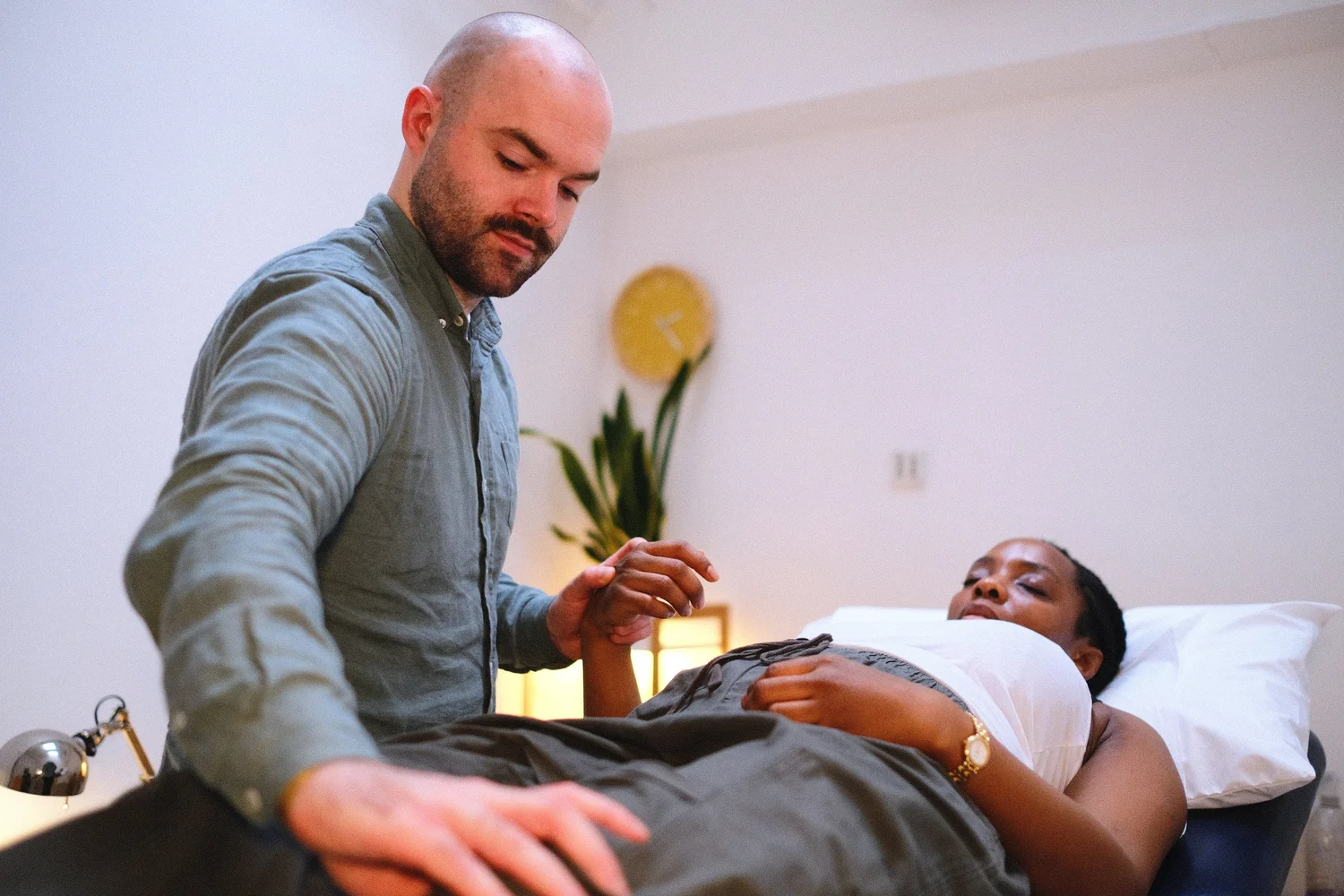
A BAcC-registered acupuncturist practising in Haggerston, East London. Trained at ICOM, refined through a multi-bed cancer-support clinic in Kent and a community charity project in Kerala.
BAcC registered.
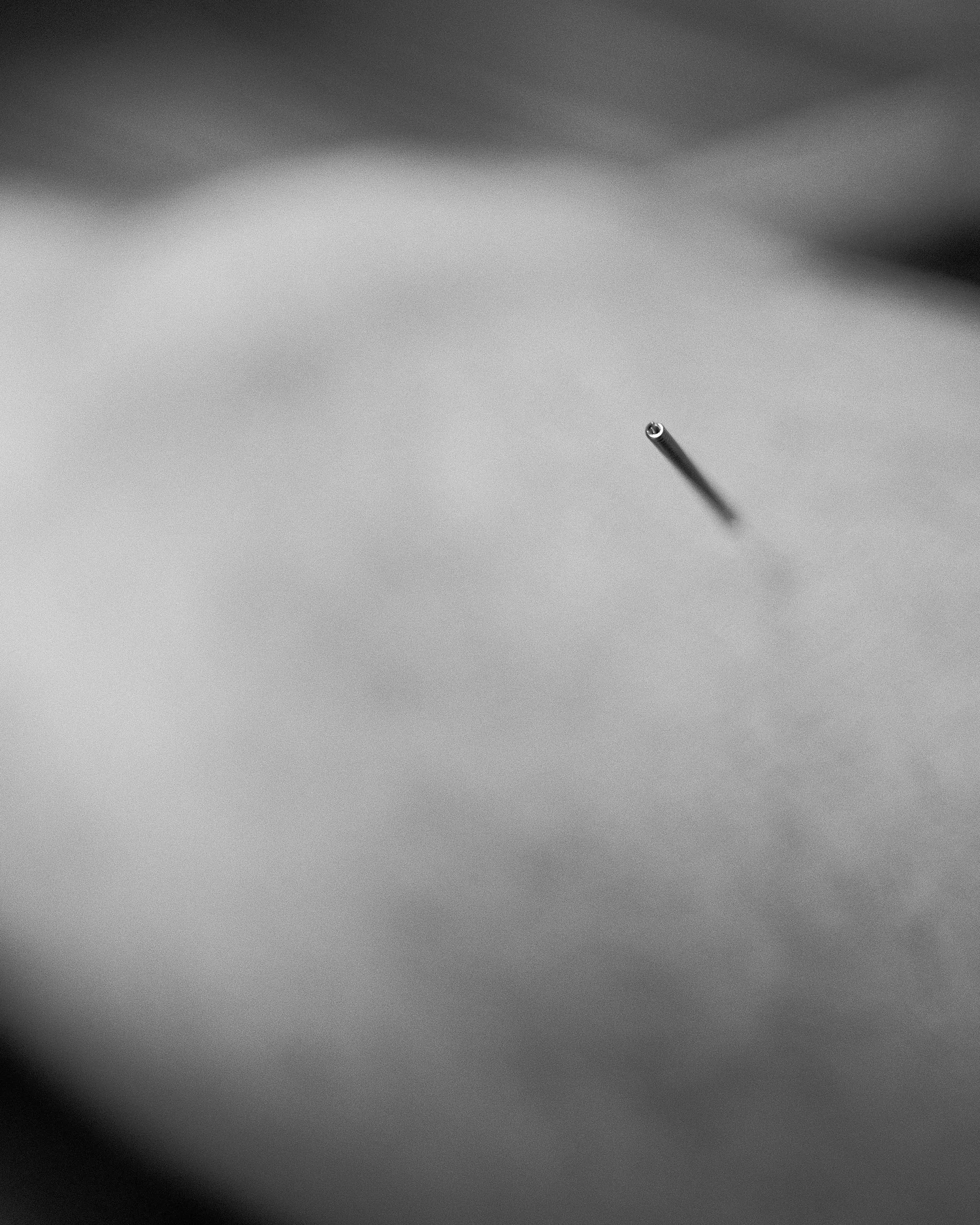
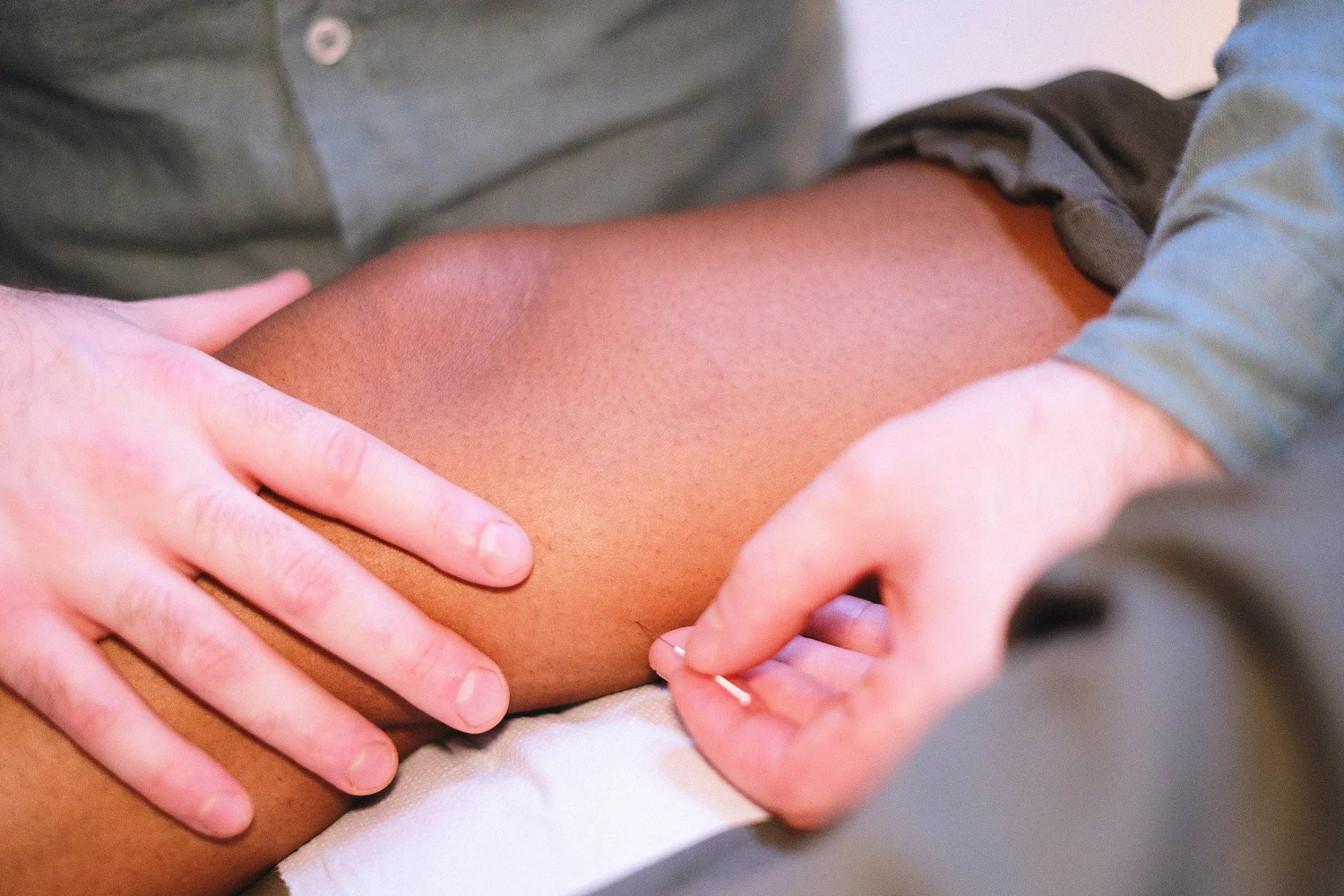
To put it simply, acupuncture is a powerful way to shift the nervous system out of a tense, fight-or-flight state and into a calmer, parasympathetic one.
In practice, I've seen it help across a wide range of conditions. For acute pain and discomfort, it can often resolve symptoms quickly. For longer-term issues, it tends to ease the tension and discomfort that come with chronic illness, helping the body settle into a state where its own recovery processes can do their work.
Is it a placebo effect? Partly, perhaps. But the growing body of research — including studies on animals, randomised controlled trials from around the world, and a clearer scientific understanding of how acupuncture affects the body — points to it being a genuinely effective treatment.
If you put a hundred people with the same diagnosis in a room, no two would describe their experience in quite the same way, or feel pain at the same level.
Acupuncture has the flexibility to meet each person where they are.
The path began with a problem nothing seemed to ease.
My path into acupuncture began in my early twenties, during a long stretch of anxiety attacks that nothing seemed to ease. I tried the usual things, and a number of less usual ones, but the underlying state didn't shift.
Acupuncture was the first thing that did. The anxiety started to ease, but more than that, something opened up in how I understood my body and mind — what they were doing, what they were asking for, and how the two were related. For the first time I had a steadier footing within myself, and a way of working with what had previously felt out of reach.
The same thread, pulled in further.
That initial encounter was the spark for everything that followed. It led me into Tai Chi, Qi Gong, and remote parts of China, where I spent time learning these arts in the places they came from. Each deepened the same thread acupuncture had first pulled at — the relationship between body, mind, and the felt experience of being a person.
Active producers of our own wellbeing.
A large part of what draws me to this work is the possibility of offering that same opening to others. I feel we've entered an age where people have grown tired of passive models of consumption — of being spoon-fed solutions to problems we'd rather understand for ourselves. We want to be enabled and uplifted to become active producers of our own wellbeing. Just as well; as this is the only solution, so far as I can see, to any lasting sense of wellness.
Acupuncture, given the chance, often does more than the symptom-level work it's asked to do. Through balancing aspects of the body's physical and spiritual makeup, it can become a way of being more integrated with yourself — an invitation into a finely attentive self-stewardship, the lack of which lies close to the root of many modern physical and mental afflictions.
A rising tide lifts all boats.
That orientation has shaped where I've worked. For over two years I was part of a multi-bed clinic in Tunbridge Wells supporting cancer patients — treating pain, easing the side effects of treatment, and offering a quiet hour in the middle of what is often an overwhelming process. The body is a network of interconnection, and a rising tide lifts all boats: improve the condition of any part, and the whole begins to lift with it.
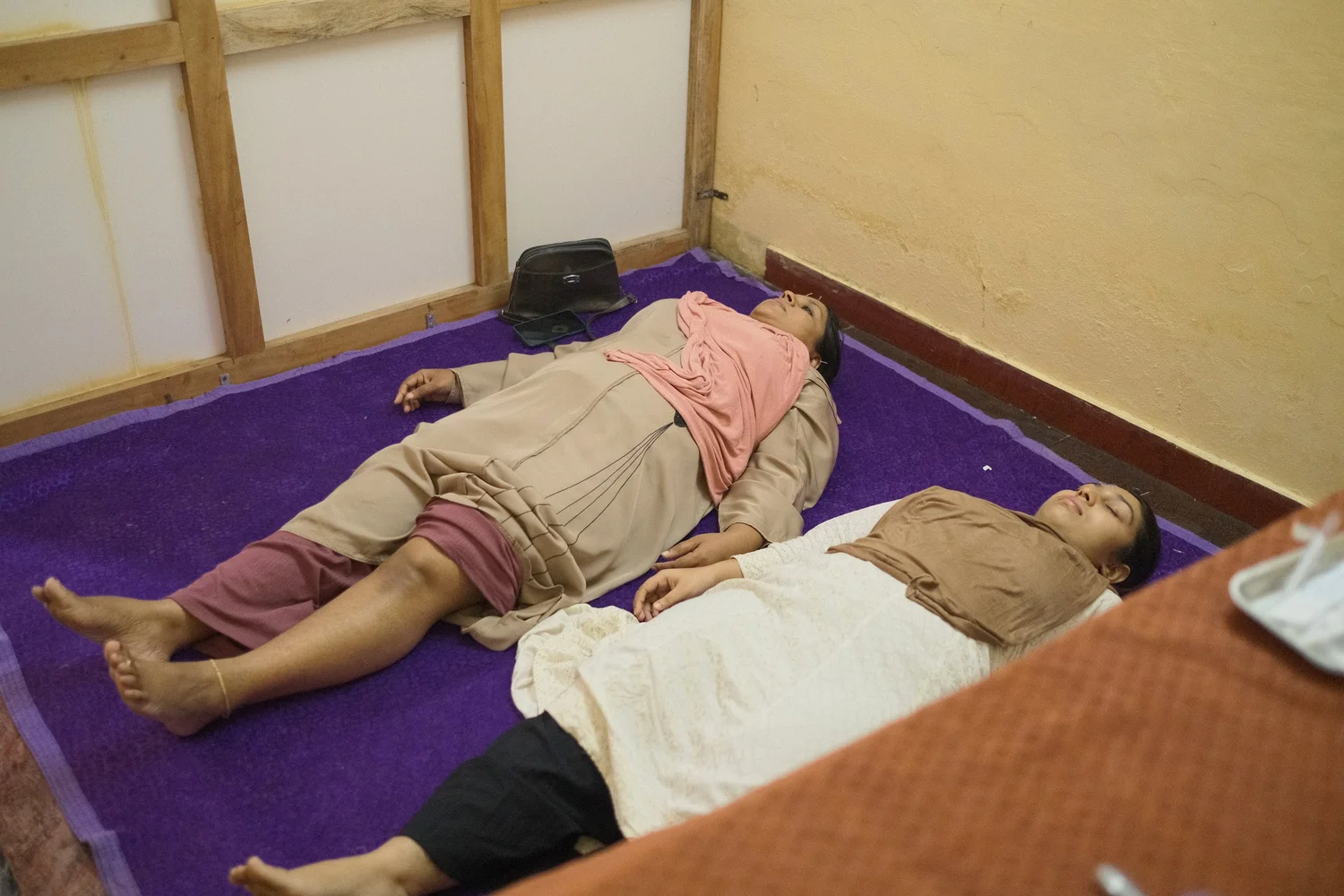
More recently, I set up and coordinated a charity project in Kerala, India, delivering over five hundred treatments in fourteen days. The conditions ranged widely, the people I worked with often had limited access to ongoing care, and that shaped how I had to think about each treatment. Working at that pace, with that range, sharpened my practice in a way nothing else has.
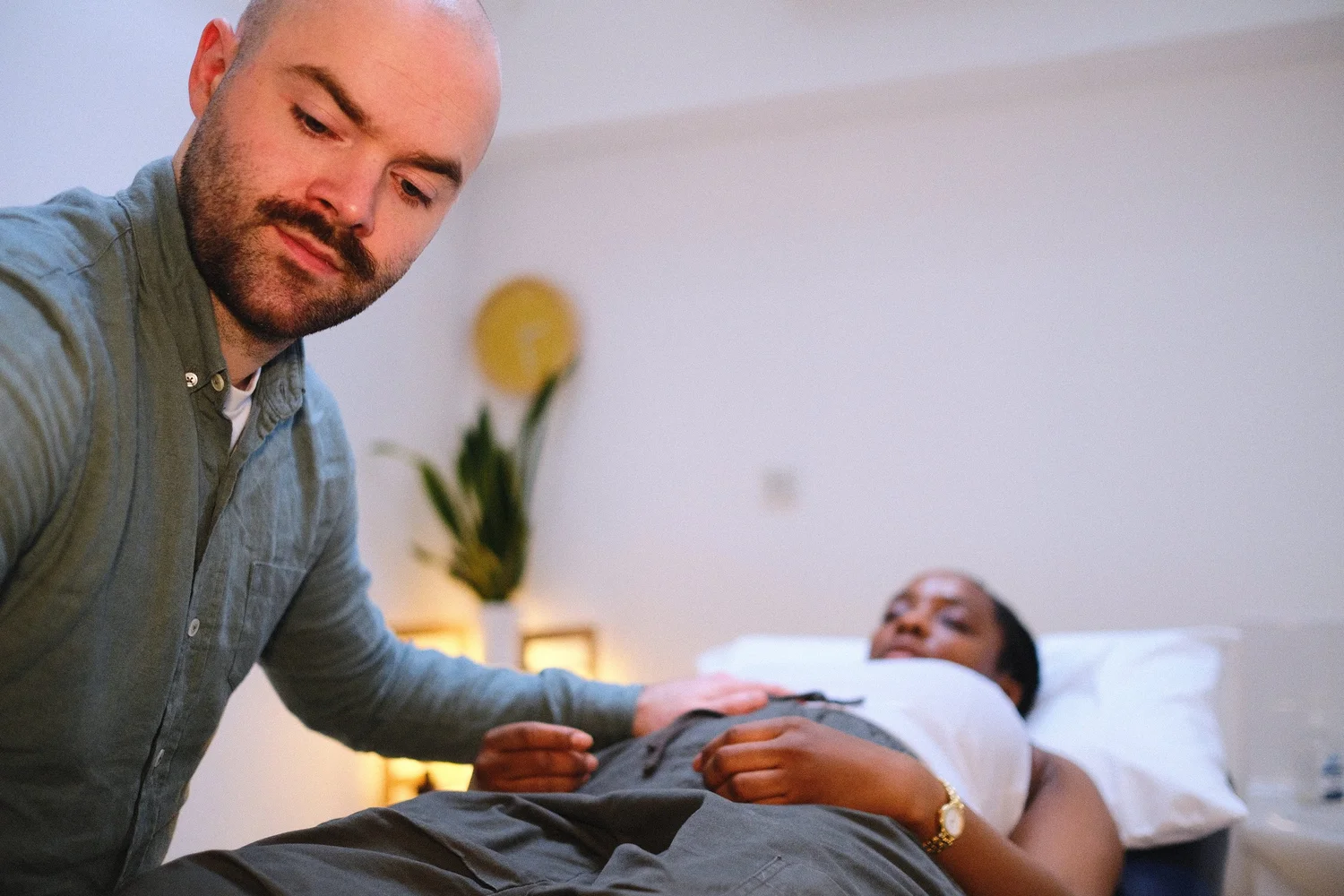
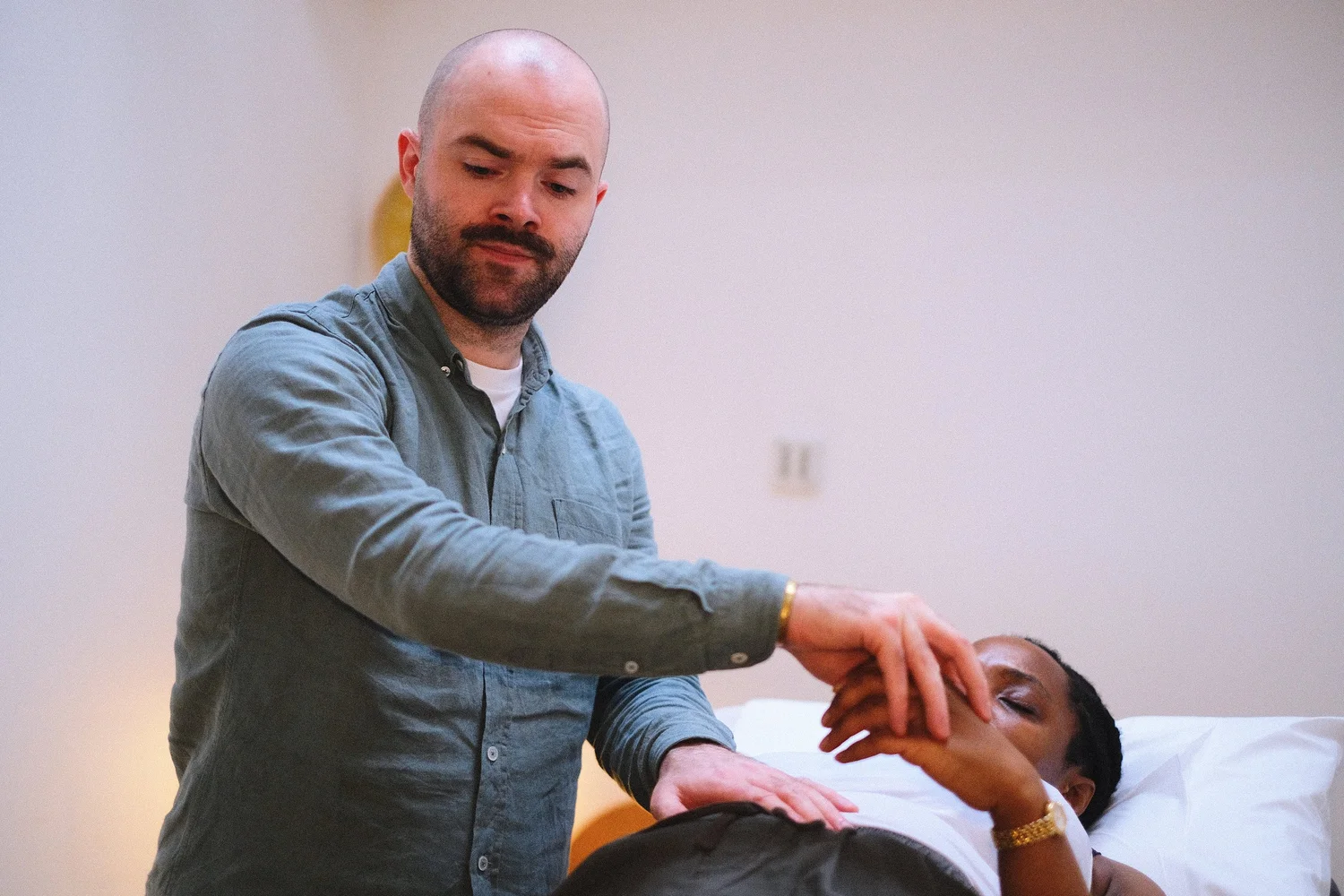
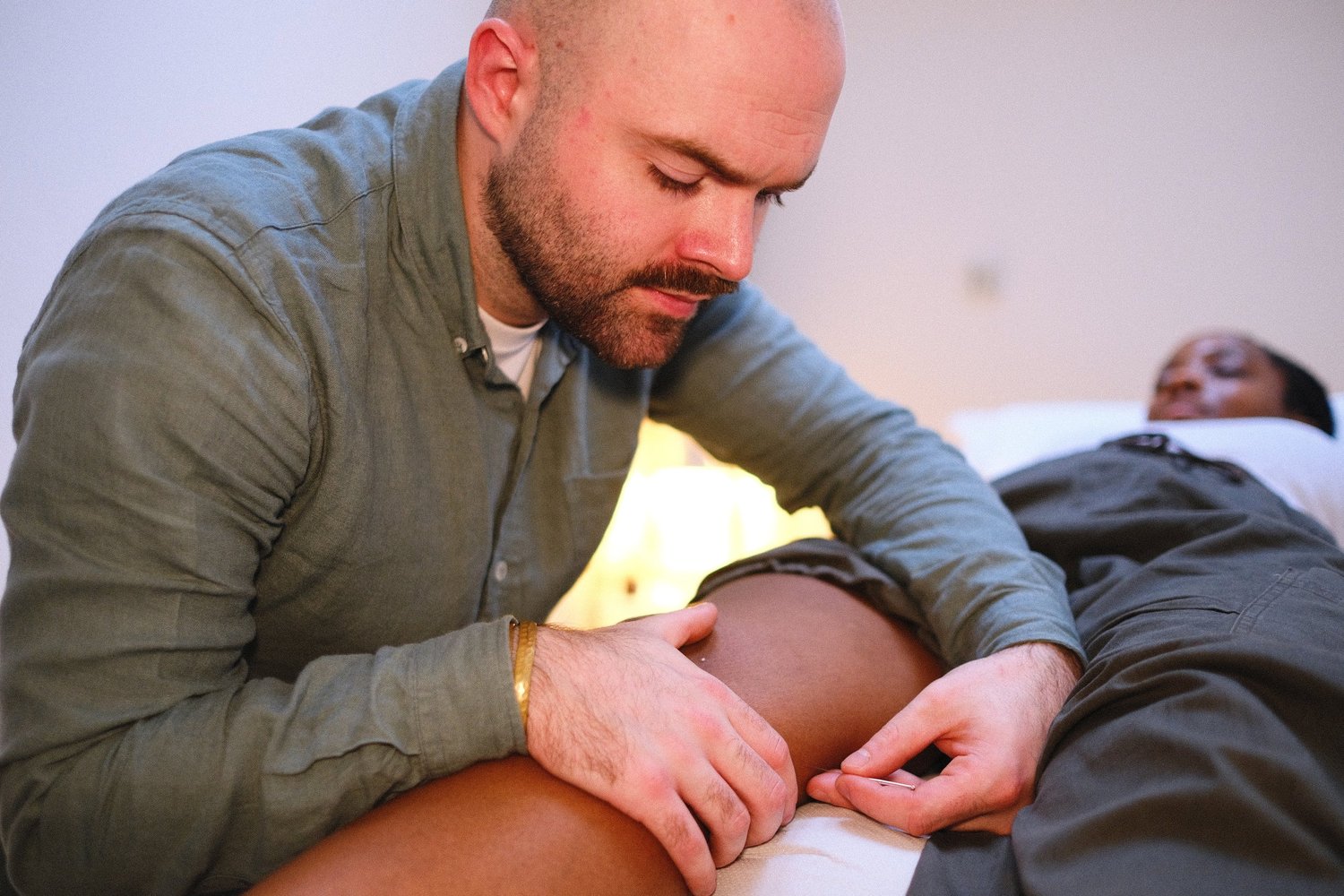
Treatment is a direct conversation with the body — meeting it clearly and precisely, on its own terms, and giving it the conditions to do its own work.
The approach is practical. I assess what's there in the body: areas of tension, sensitivity along certain pathways, points that respond to treatment. The traditional theory remains useful because it describes patterns of function and dysfunction that are still observable today. Blockages create problems; smooth flow is what we call health.
Treatment is a direct conversation with those patterns. The shifts that follow — a release of tension, a quieter mind, an easier breath — are what happens when the body is met clearly and precisely.
I trained at the International College of Oriental Medicine (ICOM), the oldest acupuncture college in the UK, with a deep grounding in the classics of Chinese medicine alongside modern Western anatomy, physiology, and pathology. The training is broad and rigorous, covering many of the most prominent styles and systems of acupuncture. I'm a fully qualified and licensed acupuncturist (Lic. Ac.) and a member of the British Acupuncture Council — the UK's leading professional body for traditional acupuncture.
More recently I completed Neoclassical Acupuncture training with Slate Burris — a highly responsive approach that integrates classical Chinese theory with modern anatomical understanding, and tends to produce immediate, observable results in the room. It sits at the centre of how I work, and I've spent thousands of treatments refining it in practice — including the project in Kerala, where the volume and range of cases sharpened the technique in a way ordinary clinic work couldn't.
Lic. Ac.
Member of the British Acupuncture Council (BAcC). Fully qualified, with broad and rigorous classical and modern training behind it.
BAcC · Lic. Ac.Direct study with Slate Burris.
A highly responsive approach that integrates classical theory with modern anatomical understanding.
Advanced Deep Tissue Massage.
Built on a foundation of ITEC Level 3 Massage Therapy.
From Shandong, ongoing.
Initial training in Shandong, China in 2018. Continued study with Javi Martinez.
Three pillars of practice.
Over three years in private practice in London. Two-plus years in a multi-bed cancer-support clinic in Tunbridge Wells. Founder and coordinator of a charity project in Kerala — over 500 treatments in 14 days.
Two weeks of free community acupuncture in the Kannur district of southern India. The story, the films, the stills.
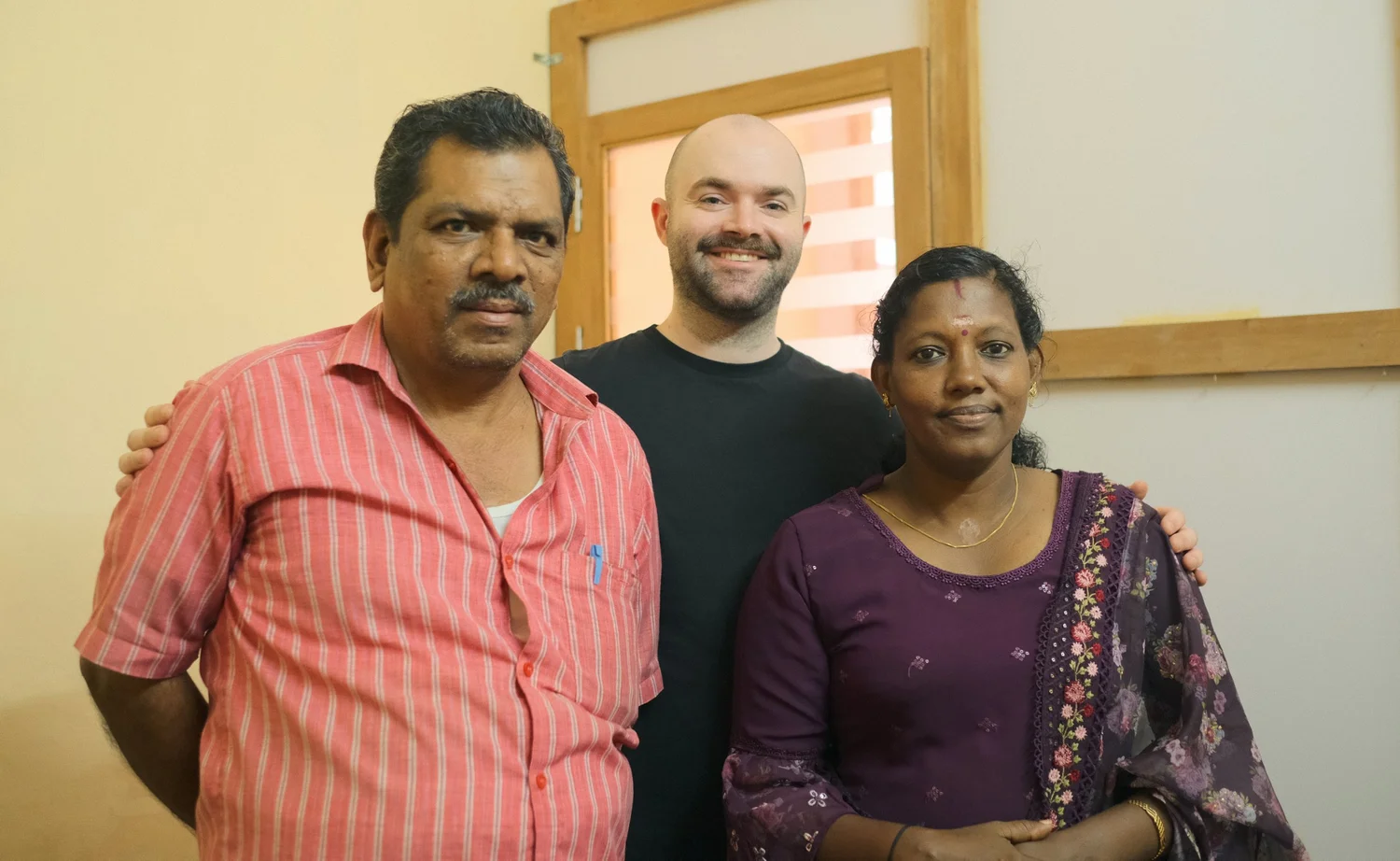
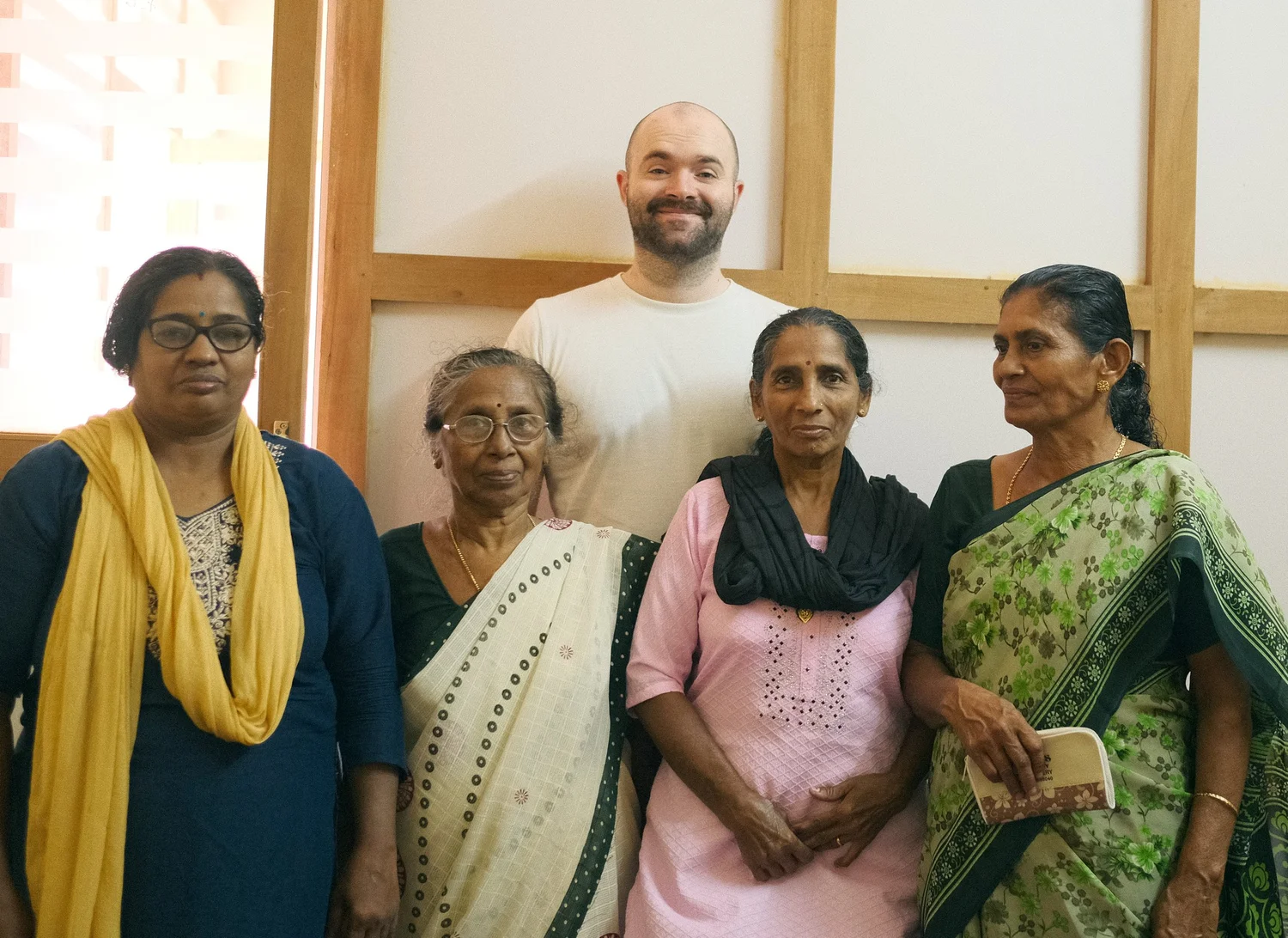
In March 2026, I travelled to Anjarakandy — a small town nestled in the Kannur district of Kerala, India — to run a community acupuncture clinic alongside local health workers and volunteers.
Over the course of the project, I treated more than four hundred patients, offering free acupuncture sessions to people from across the surrounding villages. Conditions ranged from chronic pain and musculoskeletal complaints to stress, digestive issues, and post-viral fatigue. For many, it was their first experience of acupuncture.
Working within the community setting shaped everything — from how I communicated, to how I adapted treatments to available resources. It was a reminder of what acupuncture can be when stripped back to its essentials: attentive, human, and genuinely accessible.